How North Texas Weather Impacts Your Roof
The Biggest Weather Threats to Your Roof in North Texas
1. Severe Thunderstorms & Hail Damage
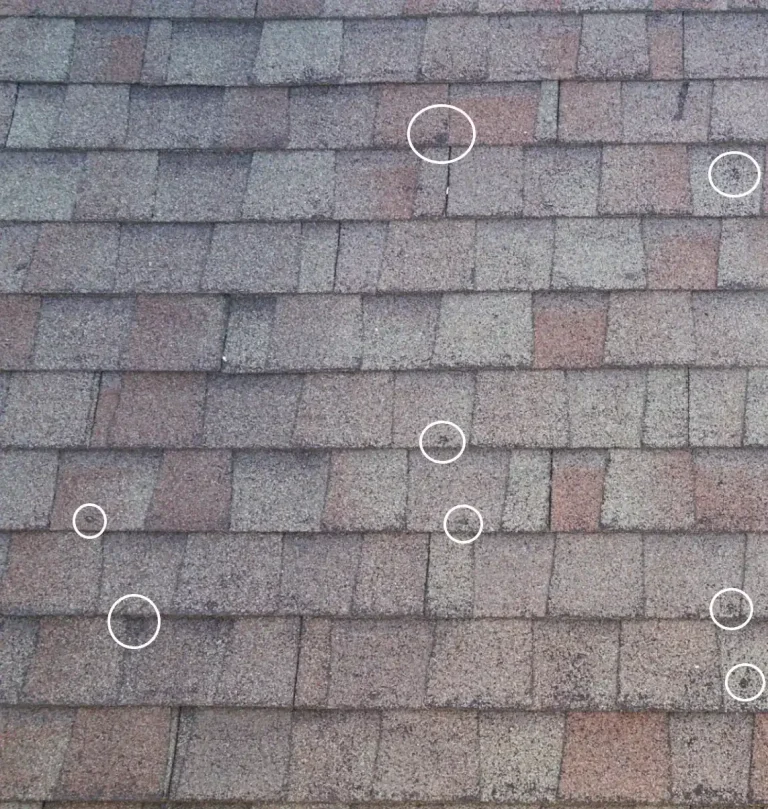
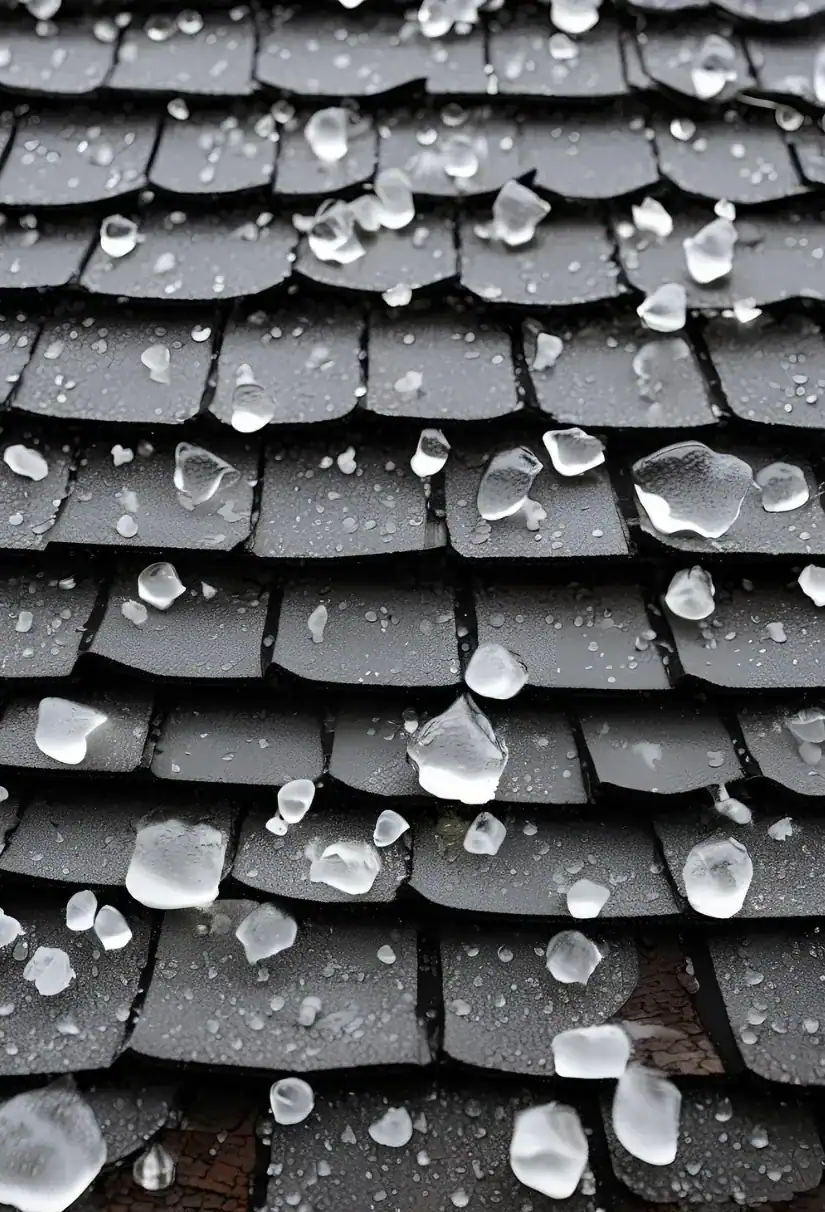
North Texas is part of Tornado Alley, meaning strong thunderstorms and hail are common, especially in the spring and early summer. Hailstones can range in size from small pebbles to baseball-sized chunks of ice, causing significant damage to shingles, flashing, and even gutters.
Signs of Hail Damage:
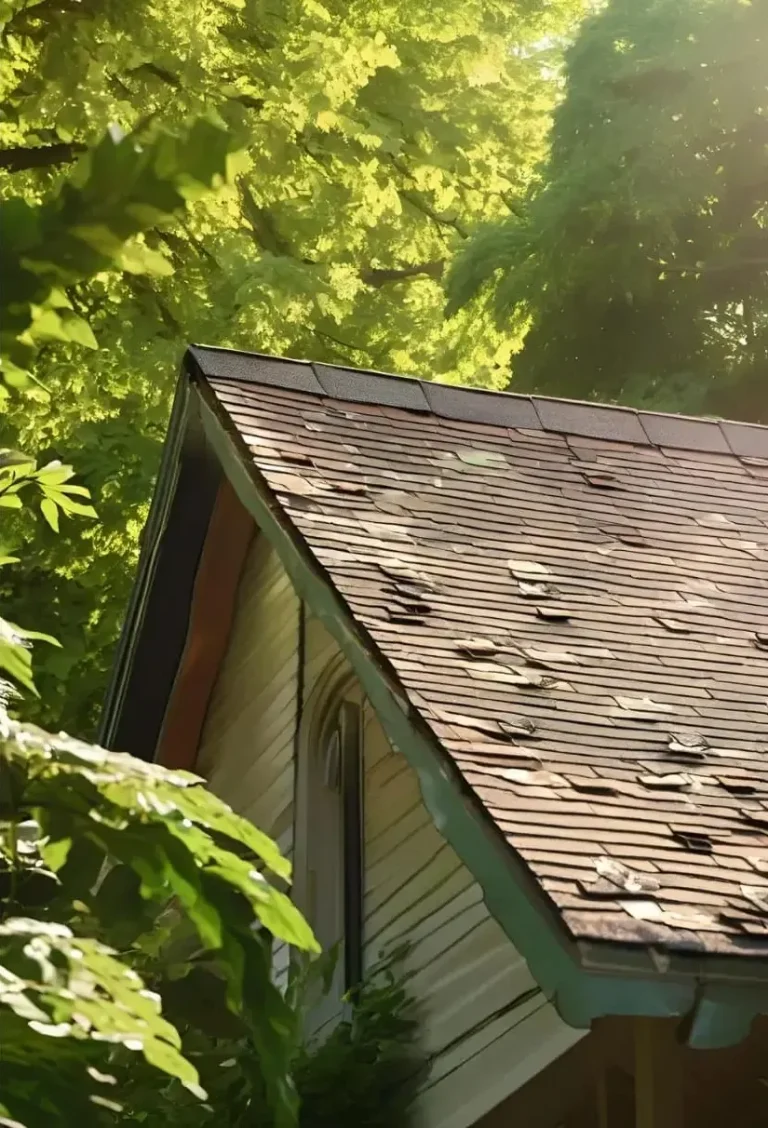
- Dented or cracked shingles
- Loss of granules from asphalt shingles
- Soft spots or bruising on the roof
- Damaged flashing or vents
Prevention Tip: Schedule a professional roof inspection after any severe storm to assess potential damage before small issues become costly repairs.
2. Extreme Heat and Sun Exposure
Texas summers bring relentless heat, with temperatures often exceeding 100°F. Prolonged sun exposure causes roofing materials to deteriorate, leading to cracking, fading, and weakened structural integrity
Signs of Heat Damage:
- Shingles curling or warping
- Fading color on shingles
- Dry, brittle, or cracked materials
Prevention Tip: Consider installing reflective or light-colored roofing materials to reduce heat absorption and extend your roof’s lifespan.

3. Heavy Rain & Flash Flooding
While North Texas doesn’t experience heavy rainfall year-round, when storms hit, they can bring torrential downpours. Poor drainage or clogged gutters can lead to water pooling on the roof, increasing the risk of leaks and water damage.
Signs of Water Damage:
- Stains on ceilings or walls
- Mold or mildew growth
- Sagging roof sections
- Dripping water inside your home
Prevention Tip: Regularly clean your gutters and ensure proper attic ventilation to prevent moisture buildup and mold growth.
4. Strong Winds & Tornadoes
With frequent high winds and occasional tornadoes, North Texas roofs must withstand powerful gusts that can tear shingles off and damage structural components.
Signs of Wind Damage:
- Missing or loose shingles
- Exposed underlayment
- Lifted or creased shingles
Prevention Tip: Choose impact-resistant shingles designed to withstand high winds and ensure your roof is properly installed and secured.

5. Winter Weather & Ice Dams
Though winters in North Texas are generally mild, occasional freezes and ice storms can occur. Ice dams form when melting snow refreezes at the roof’s edge, preventing proper drainage and causing water to seep under shingles.
Signs of Ice Damage:
- Icicles forming along the eaves
- Water stains inside the attic
- Cracked or damaged shingles
Prevention Tip: Improve attic insulation and ventilation to regulate roof temperature and prevent ice dams from forming.
How to Protect Your Roof Year-Round
- Schedule Regular Inspections – A professional roofing inspection at least once a year can identify and fix small issues before they become major problems.
- Clean Your Gutters – Clogged gutters can lead to water pooling and roof leaks.
- Trim Overhanging Branches – Trees can drop debris and cause physical damage to your roof during storms.
- Use High-Quality Roofing Materials – Investing in durable, weather-resistant materials can save money in the long run.
- Act Quickly on Repairs – If you notice signs of damage, don’t wait. Delaying repairs can lead to more expensive fixes down the road.
We can help!
At Caldwell Exteriors, we offer professional roof inspections, repairs, and replacements to keep your home safe and secure. Contact us today to schedule a free inspection and protect your roof from North Texas weather!
Conclusion
The North Texas climate presents unique challenges for homeowners, but with proper maintenance and awareness, you can protect your roof from the harsh effects of the weather. Regular inspections, prompt repairs, and high-quality materials will help your roof last longer and keep your home safe. If you suspect your roof has suffered weather-related damage, contact a trusted local roofing expert for an inspection and repair recommendations.
By staying proactive, you can ensure your roof remains in excellent condition, no matter what the Texas weather throws at it!